ENGLISH STANDARD VERSION (ESV)“Remember those who are in prison, as though in prison with them, and those who are mistreated, since you also are in the body.”
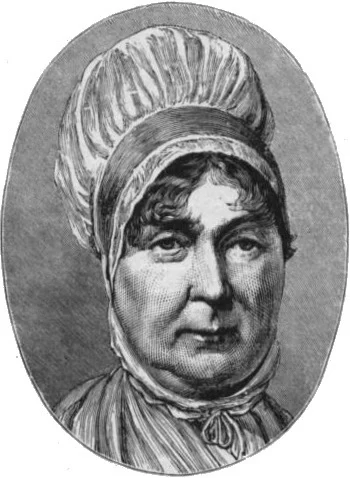
— Hebrews · Hebrews 13:3 A Quaker minister's conviction rebuilt Newgate's women's ward — and with it, penal humanitarianism.
Her program sounds modest — a school for the children, work for the women, Scripture read aloud — but it broke the operating theory of the prison, which was deterrence through horror. When she argued in parliament that the horror was itself the crime, she was speaking Hebrews 13:3 in committee.
EVIDENCE VS. COUNTERFACTUAL
This label distinguishes a factual historical record from the interpretation built around it. A well-documented event or influence pathway does not prove that no alternative history could produce a similar result. Grade note: the influence pathway is well documented; replacement remains a separate question
STRONGEST OBJECTION(S)
Fry's methods were maternalist by our lights, and critics then and now said she made cruelty presentable; the reform is documented, the debate about it is too.
01Bible reading and schooling inside Newgate Fry’s work at Newgate addressed prisoners as people capable of learning and taking part in organised daily activities. Reading, schooling and work were practical interventions within a punitive institution. Their significance lay in attending to conditions and human development, rather than assuming that confinement by itself would improve the people subjected to it.
02Humane treatment argued as principle Public advocacy carried observations from prison life into arguments about how authorities should treat those in custody. Fry’s Quaker convictions informed her concern, but changes also required cooperation and institutional decisions. This stage links personal engagement with reform of a system, without implying that one parliamentary appearance transformed prison administration on its own.
03Modern penal-reform organizations descend from it The continuing work of penal reform involves monitoring conditions, challenging abuse and arguing over the purposes of imprisonment. Fry is one important predecessor in that history. Later organisations developed in their own circumstances, so a shared concern for humane treatment should not be mistaken for an unbroken organisational identity between every modern body and her Newgate initiative.PRESENT DAY