
Case WJ-P21 · Hall of fame
THE HALL OF FAME › JOHANN SEBASTIAN BACH
Johann Sebastian Bach
1685–1750 · PRIMARY FIELD: ARTS & MUSIC
ENGLISH STANDARD VERSION (ESV)
“So, whether you eat or drink, or whatever you do, do all to the glory of God.”
— Paul · 1 Corinthians 10:31The architect of Western music's core repertoire — cantata cycles, passions, the B minor Mass — signed the manuscripts, in his own hand, Soli Deo Gloria: to God alone be glory.
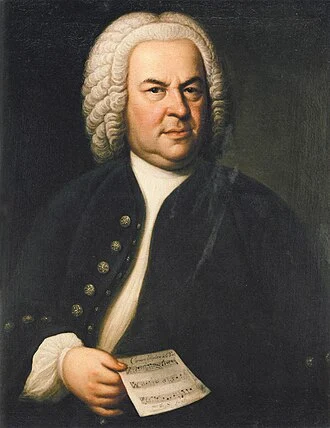
J. S. Bach
Image credit & licence
Elias Gottlob Haussmann · Public domain · https://www.jsbach.net/bass/elements/bach-hausmann.jpg
Original image and licensingTHE RECORD, PLAINLY
The record, plainly: he also fought with employers over salaries and once walked 250 miles to hear an organist. The sainthood of the workshop, not of the halo.
EVIDENCE VS. COUNTERFACTUAL
This is an interpretive synthesis: the sources support elements of the story, but the overall causal weight remains open to historical debate. Grade note: the historical record and pathway are especially well established
The causal chain — tap (i) for detail
01Lutheran church music as a vocation Bach's employment tied much of his musical labour to institutions responsible for worship and teaching. Church calendars, available performers and local expectations supplied practical demands as well as opportunities. His religious setting therefore shaped what was composed and when, without exhausting the sources of his musical training or the range of his output.
02The Leipzig cantata cycles, 1723–1750 In Leipzig, cantatas connected biblical readings and religious reflection with recurring occasions in the church year. Producing and performing them required singers, instrumentalists, rehearsal and institutional support. Their scale records sustained collaboration under demanding conditions, rather than an isolated genius creating a concert collection independently of the worship for which much of it was intended.
03S.D.G. on the manuscripts The use of initials associated with glory to God gives direct evidence of a devotional way of framing composition. Such inscriptions need to be read in the manuscripts and conventions where they occur. They support a religious interpretation of Bach's work without making every instrumental passage a hidden doctrinal statement or every surviving score identically marked.
04The foundation of the Western concert repertoire Later performers, editors and teachers brought Bach into concert halls and educational programmes beyond his original institutional world. Study of his counterpoint and renewed performances of large works helped establish his lasting reputation. That reception preserves music formed partly by Lutheran worship while allowing audiences with many different beliefs to value it.
Sources
See also
Field VII — Arts & Music→