“But when anything is exposed by the light, it becomes visible,”
— Paul · Ephesians 5:13
HIGH · EVIDENCE GRADE
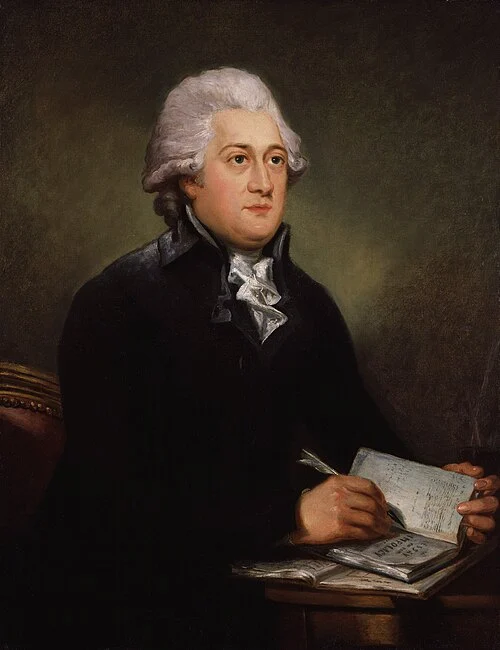
A Cambridge essayist who could not stop: he rode 35,000 miles gathering the ships' plans, the fetters, the witness testimony — the evidence base that made abolition a case rather than a sentiment.
Thomas Clarkson — the 35,000-mile witness
Image credit & licence
Carl Frederik von Breda · Public domain · one or more third parties have made copyright claims against Wikimedia Commons in relation to the work from which this is sourced or a purely mechanical reproduction thereof. This may be due to recognition of the "sweat of the brow" doctrine, allowing works to be eligible for protection through skill and labour, and not purely by originality as is the case in the United States (where this website is hosted). These claims may or may not be valid in all jurisdictions. As such, use of this image in the jurisdiction of the claimant or other countries may be regarded as copyright infringement. Please see Commons:When to use the PD-Art tag for more information.
The record, plainly: his later years included misjudged investments in the Sierra Leone settlement, and his health broke under the work — the entry keeps the work.
EVIDENCE VS. COUNTERFACTUAL
This is an interpretive synthesis: the sources support elements of the story, but the overall causal weight remains open to historical debate. Grade note: the influence pathway is well documented; replacement remains a separate question
The causal chain — tap (i) for detail
01The prize essay: is it lawful to make slaves of others against their will? (1785) Clarkson's prize essay forced sustained attention to whether people could justly be enslaved against their will. The intellectual exercise developed into a personal commitment to abolition. This stage connects study with action through his own response to the evidence, rather than making a university competition the sole source of a movement already taking shape.
0235,000 miles of evidence-gathering — ships, irons, testimony Travel, interviews and collected objects gave the campaign material that audiences and legislators could examine. Descriptions of ships and conditions could challenge claims that the trade was humane or economically ordinary. The method joined moral argument to documented experience, while every striking numerical claim about his travels or witnesses still requires its own reliable source.
03The 1787 committee with Wilberforce and the Quakers The abolition committee brought different skills and networks into a sustained campaign, with Quaker organizing and parliamentary allies among its resources. Clarkson's research could support speeches and public persuasion by others. That division of labour explains how evidence gained political force, rather than imagining that publishing facts automatically produced a change in law.
04Evidence-driven campaigning as a method Later humanitarian campaigns likewise combine testimony, documents and exhibits to make distant suffering publicly intelligible. Clarkson provides an important historical example of that practice. A direct claim of descent needs evidence of borrowing, however; similar methods can also develop independently when campaigners face the common problem of making abuse visible.