“The saying is trustworthy and deserving of full acceptance, that Christ Jesus came into the world to save sinners, of whom I am the foremost.”
— Paul · 1 Timothy 1:15
HIGH · EVIDENCE GRADE
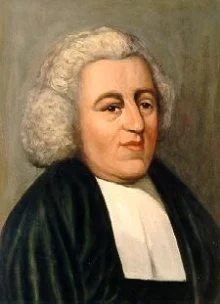
A slave-ship captain who came to call himself the offender he had been; his 1788 pamphlet became abolition's inside testimony, and Amazing Grace (1772) its unofficial anthem.
John Newton — the slaver who wrote Amazing Grace
Image credit & licence
Contemporary portrait · Public domain · http://100megsfree4.com/dictionary/theology/tdicn.htm
The record, plainly: he kept sailing slave ships for six years after his conversion, and admitted he had been blind to it. The hymn is a former slaver's words — which is why it is true.
EVIDENCE VS. COUNTERFACTUAL
This is an interpretive synthesis: the sources support elements of the story, but the overall causal weight remains open to historical debate. Grade note: the influence pathway is well documented; replacement remains a separate question
The causal chain — tap (i) for detail
01Storm-seasoned turn toward faith at sea (1748) Newton later described the 1748 storm as a turning point toward faith, making it central to his retrospective account of his life. That narrative should be read alongside the chronology of what he did afterward. A spiritual turning point is evidence about self-understanding, not proof that every moral implication was immediately recognized or acted upon.
02Years still commanding slavers — the blindness he later named He continued participating in the slave trade after that experience, a fact essential to an honest account of his religious change. His later regret must not be projected backward to make the earlier conduct appear consistently abolitionist. This stage separates professed conversion from the slower and deeply consequential process of confronting his own responsibility.
03Olney curate; Amazing Grace (1772) His ministry at Olney provided a setting for hymn writing intended for worship and instruction. Amazing Grace speaks about dependence, rescue and undeserved mercy in a form congregations could sing. Its later association with abolition and public remembrance adds a reception history beyond the original hymn, rather than making the text a detailed confession of the slave trade.
04Thoughts Upon the Slave Trade (1788): eyewitness testimony for abolition Thoughts Upon the African Slave Trade used Newton's own experience to expose practices he had helped sustain. Testimony from a former participant could carry particular force against defenders of the trade. Its moral significance includes acknowledgment of personal complicity, while its political effect depended on wider campaigning and should not be treated as a solitary cause of abolition.