
Without Jesus
Case WJ-IV-01-02 · Concept
THE ATLAS›IV · EDUCATION›THE UNIVERSITY SYSTEM›THE COLLEGE MODEL

The College Model

ENGLISH STANDARD VERSION (ESV)

“And they devoted themselves to the apostles’ teaching and the fellowship, to the breaking of bread and the prayers.”

— Luke (Acts) · Acts 2:42
HIGH · EVIDENCE GRADEFACTUAL RECORD

The residential college — scholars living in community under a chapel — is Oxford and Cambridge's ecclesiastical DNA, copied worldwide.
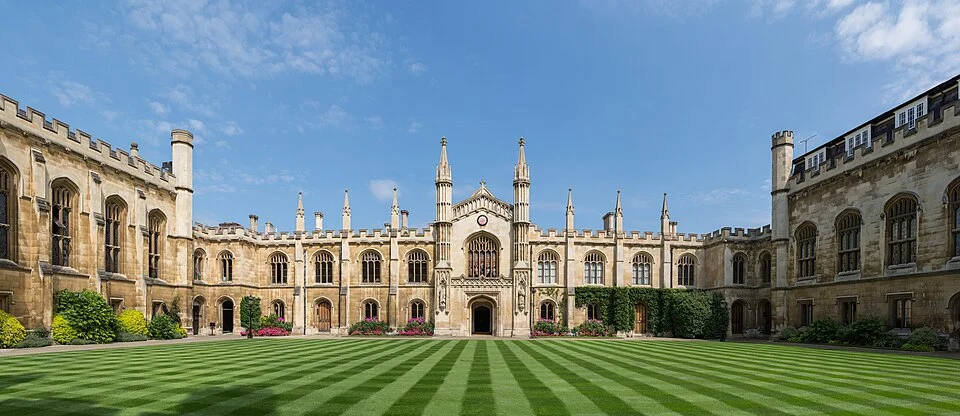
Cambridge — colleges as communities of scholars
Image credit & licence

Diliff · CC BY-SA 3.0 · Own work

Original image and licensing

The college began as a religious community with books: scholars living together, eating together, praying together, endowed by benefactors who wanted prayers said for their souls. The Ivy-covered quad on five continents is the architectural descendant of the medieval chantry.

EVIDENCE VS. COUNTERFACTUAL

This label distinguishes a factual historical record from the interpretation built around it. A well-documented event or influence pathway does not prove that no alternative history could produce a similar result. Grade note: the influence pathway is well documented; replacement remains a separate question

STRONGEST OBJECTION(S)

Residential colleges now secularize the model as fast as they inherit it; the origin and the departure are both part of the story.

The causal chain — tap (i) for detail
01Colleges as religious communities of scholars A residential college brought scholars into a continuing community with shared spaces, rules and provision for daily life. In medieval foundations, religious observance and benefaction could be central to that arrangement. The connection between study and common life is the feature being traced; the institutions were not simply monasteries with an additional classroom.
02The model exported to the colonies and the world Founders in other settings could borrow collegiate arrangements while changing their purposes and rules. The model travelled through people, institutional examples and architectural choices. Comparing particular foundations can reveal those borrowings, while also showing how colonial circumstances, funding and local educational needs produced differences from Oxford or Cambridge.
03Residential college systems on five continents Modern residential systems retain the idea that a university can organise learning and belonging through smaller communities. A chapel, hall or quadrangle may preserve the memory of earlier forms without determining present belief. The continuity is organisational and sometimes architectural, rather than evidence that every residential campus reproduces a medieval religious foundation.PRESENT DAY
Encounter the Gospel invitation →