
Without Jesus
Case WJ-V-01-01 · Concept
THE ATLAS›V · POLITICS›THE CIVIL RIGHTS MOVEMENT›'I HAVE A DREAM' — SERMON FORM

'I Have a Dream' — Sermon Form

ENGLISH STANDARD VERSION (ESV)

““Blessed are those who hunger and thirst for righteousness, for they shall be satisfied.”

— Jesus · Matthew 5:6
HIGH · EVIDENCE GRADEFACTUAL RECORD

The speech quotes Isaiah and Amos — the architecture of the most famous American speech is biblical, delivered by a Baptist minister.
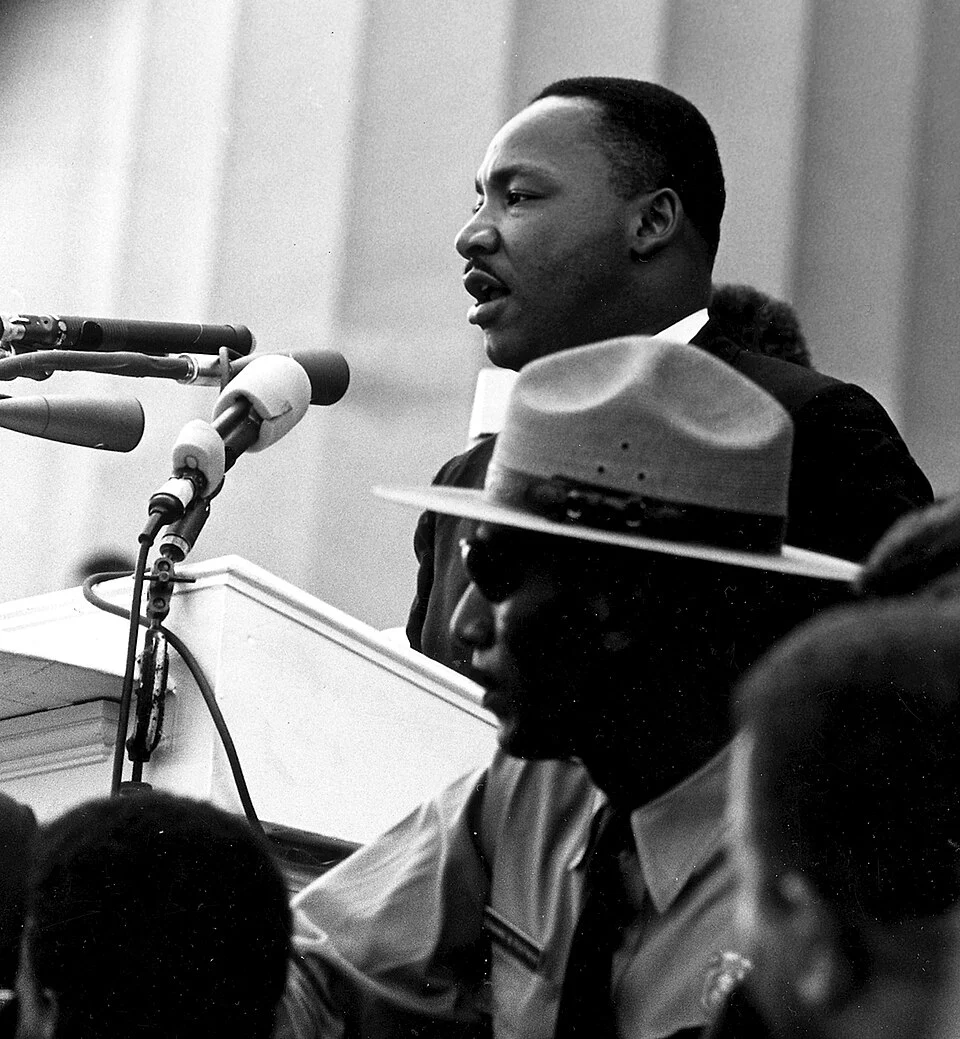
The March on Washington, 1963
Image credit & licence

Rowland Scherman · Public domain · This tag does not indicate the copyright status of the attached work. A normal copyright tag is still required. See Commons:Licensing.

Original image and licensing

Strip the Scripture out of the Dream speech and there is no speech: Isaiah's valley, Amos's justice rolling down, the slaves' spiritual “My country 'tis of thee.” King also quoted the Declaration — the blend is the point — but the frame, the rhythm, and the crescendo are a sermon's.

EVIDENCE VS. COUNTERFACTUAL

This label distinguishes a factual historical record from the interpretation built around it. A well-documented event or influence pathway does not prove that no alternative history could produce a similar result. Grade note: the influence pathway is well documented; replacement remains a separate question

STRONGEST OBJECTION(S)

King also drew on the Declaration and Thoreau; the blend is the point — but the frame was the pulpit.

The causal chain — tap (i) for detail
01A preacher's formation King’s formation as a Baptist preacher gave him experience addressing a congregation, interpreting Scripture and building a spoken argument. Those practices helped shape his public rhetoric. The connection is not that every political speech he delivered was a sermon, but that a particular religious training supplied resources for his political leadership.
02Isaiah 40 and Amos 5 woven into the peroration The speech draws explicitly on prophetic language associated with Isaiah and Amos. These references connect demands for justice with biblical pictures of moral judgement and restoration. They operate alongside appeals to American political promises, making the address a deliberate combination of religious and civic languages rather than a speech with only one source.
03The moral vocabulary of the movement's speeches Biblical phrasing could make a political demand intelligible as an obligation already recognised by many listeners. King used that shared vocabulary to expose the distance between professed ideals and racial injustice. Its effectiveness also depended on delivery, organisation and the movement’s circumstances; quotation alone does not explain the speech’s public force.PRESENT DAY
Encounter the Gospel invitation →