
Jesus in Hindu Traditions
“And the Word became flesh and dwelt among us, and we have seen his glory, glory as of the only Son from the Father, full of grace and truth.”
— John · John 1:14Ramakrishna and the Vedanta institutions that follow him provide a documented Hindu example of reverence for Jesus as an incarnation of God; this is a particular tradition, not a belief shared by all Hindus.
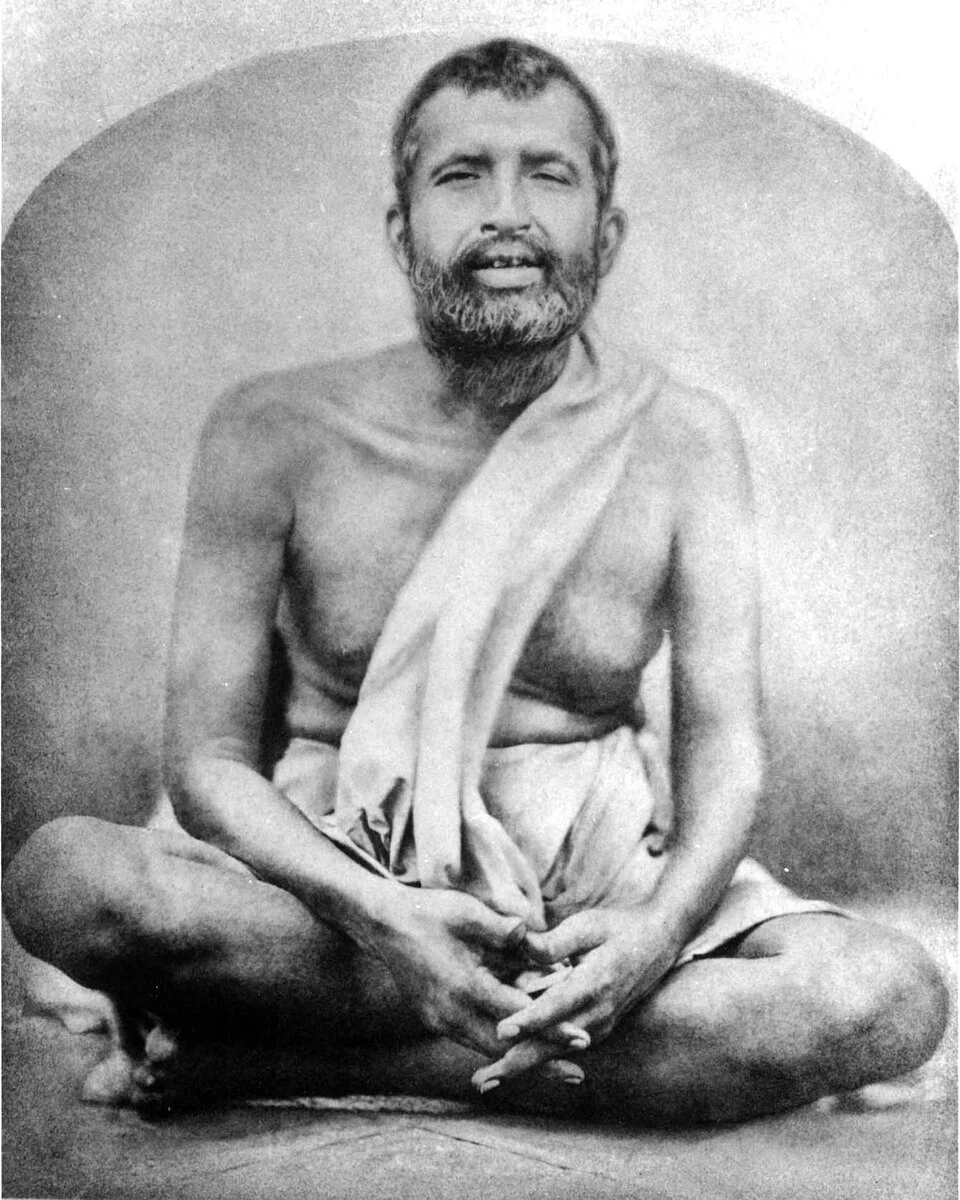
Image credit & licence
Abinash Chandra Dna · Public domain
Original image and licensingHindu traditions are diverse. A clear example of a place for Jesus comes from the Ramakrishna movement. Its official biography says Ramakrishna practised Christianity and regarded Jesus as an incarnation of God. This is the movement’s account of his religious experience and understanding, not a historical verification of a supernatural event.
The reception also has a visible institutional form. The official listing for the Ramakrishna Vedanta Centre in Dublin includes celebrations of Jesus Christ among its religious activities. Such practice shows how respect for Jesus can enter a community’s devotional life while the community continues to identify with Vedanta.
The scope matters: this does not make Jesus a required figure in Hindu doctrine generally. Nor does calling Him an incarnation in this tradition mean the same thing as the Christian confession of the unique Incarnation of the Son. The atlas records a specific encounter with Jesus and the different interpretation that followed.
This label distinguishes a factual historical record from the interpretation built around it. A well-documented event or influence pathway does not prove that no alternative history could produce a similar result. Grade note: the influence pathway is well documented; replacement remains a separate question
A statement about Ramakrishna or a Vedanta centre must not be generalized to all Hindu schools. Reverence can be real even where the understanding of Jesus’s identity differs from the Gospel proclaimed here.