“And the Word became flesh and dwelt among us, and we have seen his glory, glory as of the only Son from the Father, full of grace and truth.”
— John · John 1:14
VERY HIGH · EVIDENCE GRADE
The Sistine ceiling, the Pietà, the Last Judgment — the most famous painted interior on earth is, from start to finish, the Incarnation's story told in stone and fresco.
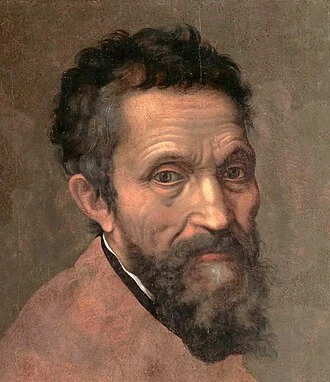
Michelangelo
Image credit & licence
Attributed to Daniele da Volterra · Public domain · Metropolitan Museum of Art, online collection (The Met object ID 436771)
The record, plainly: he was proud, litigious about contracts, and wrote bitter poems about the ceiling he is remembered by — a genius complaining on the record while making the thing.
EVIDENCE VS. COUNTERFACTUAL
This is an interpretive synthesis: the sources support elements of the story, but the overall causal weight remains open to historical debate. Grade note: the historical record and pathway are especially well established
The causal chain — tap (i) for detail
01Papal commissions as the patronage engine Papal patrons provided major commissions that placed Michelangelo's art within churches and programmes of public religious authority. Julius II commissioned the Sistine ceiling, while other patrons and later projects shaped different parts of his career. Identifying the particular commission is more useful than treating all papal support as one undifferentiated event.
02Nine Genesis scenes, 300+ figures, four years on the ceiling The ceiling's central Genesis scenes join a larger arrangement of figures and architectural illusion. Michelangelo gave biblical origins a monumental bodily and visual presence within a chapel used for worship. This stage explains the relation between programme and composition, rather than assuming that every figure represents the incarnation in the same direct way.
03The Last Judgment (1536–41) The Last Judgment transformed the altar wall with a later and different vision of humanity before Christ. Its placement and subject connected the chapel's worship with questions of judgment, salvation and accountability. The work also provoked responses and interventions, showing that Christian patronage could generate disagreement about how sacred subjects should appear.
04The visual grammar of Western art set for centuries Later artists studied Michelangelo's bodies, poses and expressive force, while reproduction carried the works to audiences unable to visit Rome. Their influence therefore operated through teaching and imitation as well as direct encounter. This reception documents a powerful contribution to visual culture without assigning every later image of religious emotion to a single artist's example.