
Without Jesus
Case WJ-P30 · Hall of fame
THE HALL OF FAME › THE PURITANS

The Puritans

16th–17th centuries · England & New England · PRIMARY FIELD: EDUCATION
ENGLISH STANDARD VERSION (ESV)

“and how from childhood you have been acquainted with the sacred writings, which are able to make you wise for salvation through faith in Christ Jesus.”

— Paul · 2 Timothy 3:15
HIGH · EVIDENCE GRADE

A Bible-centred reform movement that helped build New England’s schools and colleges and left a lasting devotional and literary inheritance.
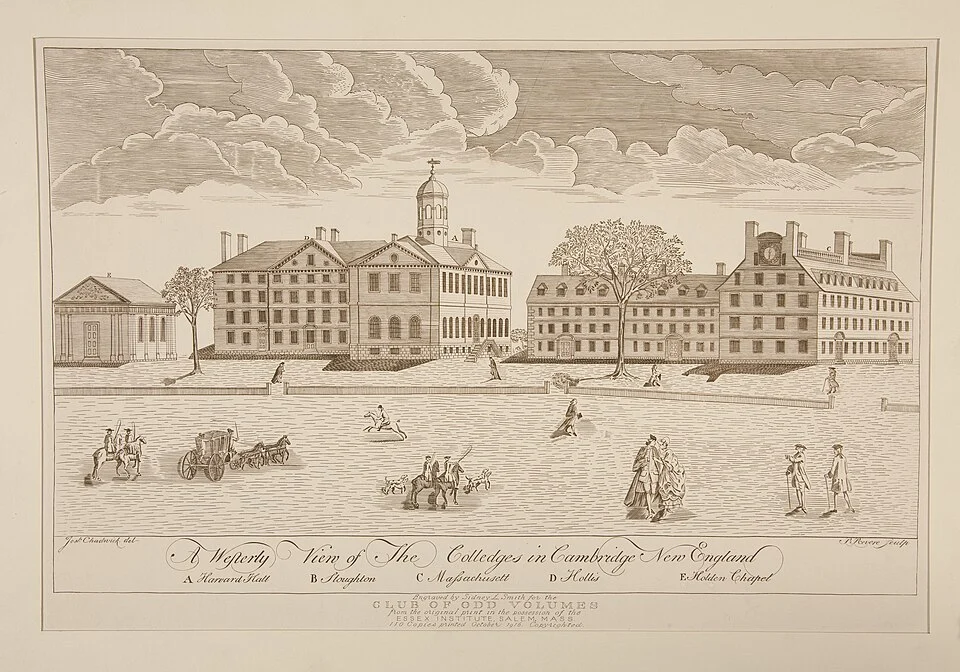
Harvard University — an institutional legacy of Puritan New England; the photograph shows the later campus
Image credit & licence

Paul Revere · Public domain · Yale University Art Gallery

Original image and licensing

Puritanism was a varied movement within English Protestantism, not one denomination or a synonym for every early American Christian. Its reformers sought churches and lives ordered by Scripture, with preaching, conversion and faith in Jesus Christ at the centre. The separatist Pilgrims at Plymouth and the Massachusetts Bay Puritans shared important convictions but should not simply be treated as the same group.

This profile credits identifiable educational and literary contributions: support for learned ministry, Harvard’s early foundation, town schooling and a substantial culture of sermons and devotional writing. Milton and the wider Nonconformist world of Bunyan illustrate related literary legacies; they did not represent one uniform Puritan theology. The connection to Christ runs through the movement’s own stated Christian purposes, rather than through a claim that every later institution retained those beliefs.

THE RECORD, PLAINLY

The record is mixed. Puritan authorities in Massachusetts enforced religious conformity, banished dissenters including Roger Williams and Anne Hutchinson, and executed Quakers. The Salem trials also belong within Puritan New England’s history. Recognizing educational and literary achievements does not excuse that persecution or establish that the movement invented schooling, democracy or universal religious liberty. Its positive contribution and its failures both need to be named.

EVIDENCE VS. COUNTERFACTUAL

This is an interpretive synthesis: the sources support elements of the story, but the overall causal weight remains open to historical debate. Grade note: the influence pathway is well documented; replacement remains a separate question

The causal chain — tap (i) for detail
01Scripture, preaching and formation in Christ Puritan reformers treated biblical teaching as a guide to worship, personal conduct and the ordering of a Christian community. Understanding Scripture therefore mattered for households and ministers as well as public preaching. This supplied a religious motive for learning, although the movement contained disagreements about church government and how far civil power should enforce belief.
02A learned ministry and Harvard, 1636 The Massachusetts Bay legislature established Harvard in 1636, and the founders connected the advancement of learning with the need for educated ministers. John Harvard subsequently became an important benefactor, not the sole founder. The institutional link is concrete: a Christian community committed resources to sustaining education beyond the lifetime of its first generation of clergy.
03The Massachusetts school law of 1647 The school law associated with the Old Deluder Satan provision tied the danger of ignorance to access to Scripture and required qualifying towns to provide teaching or grammar schooling. It moved part of the responsibility for education into public provision. This was an important New England precedent, while access, enforcement and the curriculum differed from modern universal public education.
04Devotional writing and an enduring literary inheritance Sermons, spiritual reflection and biblical narrative gave this religious culture a substantial written legacy. Milton’s Paradise Lost and Bunyan’s Pilgrim’s Progress show different ways the broader Puritan and Nonconformist world could turn questions of sin, faith and salvation into memorable literature. Their later influence crossed church boundaries without making the authors interchangeable representatives of one doctrine.
05A legacy assessed alongside its counter-record Schools, colleges and books carried parts of this inheritance into settings very different from those of their founders. The same history also includes coercion against people who dissented from the approved religious order. A responsible assessment follows both: it documents the particular achievements and gives the people harmed by religious enforcement a place in the account, rather than treating institutional endurance as a moral acquittal.
Encounter the Gospel invitation →