“And he said to them, “The Sabbath was made for man, not man for the Sabbath.”
— Jesus · Mark 2:27
HIGH · EVIDENCE GRADEFACTUAL RECORD
Christianity helped make Sunday a major weekly rest day in societies shaped by Christian institutions; the seven-day week and many rest traditions predate Christianity.
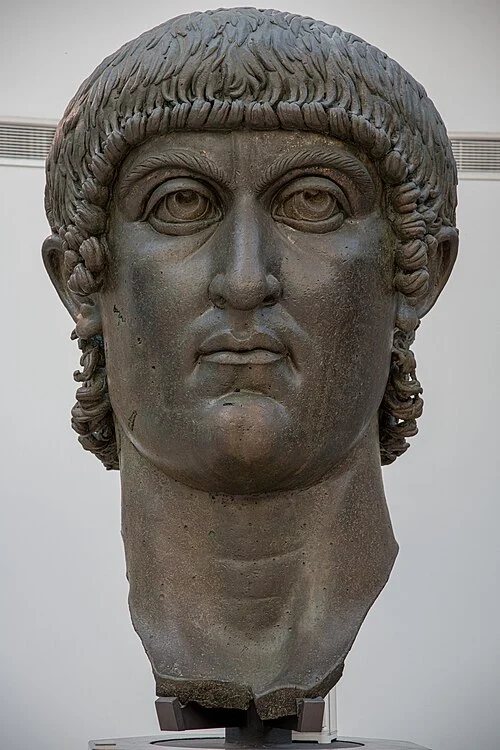
Constantine — the emperor who legalized the church
Christianity gave Sunday distinctive religious significance, and Constantine issued a Sunday-rest law in 321. But the seven-day week and Sabbath traditions long predate Constantine, and the details of rest varied by place and status. This is a documented strand in the history of weekly time, not the sole origin of the seven-day week or a universal ancient right to rest.
The modern two-day weekend developed much later through industrial work patterns, employer decisions, labour organizing and legislation. Christian Sunday observance forms part of that background, alongside other causes.
EVIDENCE VS. COUNTERFACTUAL
This label distinguishes a factual historical record from the interpretation built around it. A well-documented event or influence pathway does not prove that no alternative history could produce a similar result. Grade note: the influence pathway is well documented; replacement remains a separate question
STRONGEST OBJECTION(S)
Rest days also trace to labor movements (the two-day weekend especially); Constantine opened the road, unions paved the second lane — the atlas claims the road.
The causal chain — tap (i) for detail
01The creation-week pattern and the Jewish sabbath The seven-day week and Jewish sabbath existed before Christianity. Christians received that setting and interpreted time through Jesus’s life and their own worship. Beginning the chain here preserves the older history, rather than attributing the invention of the weekly cycle to a later Christian development.
02Sunday as the Lord's Day Sunday acquired a distinctive Christian meaning through remembrance of Jesus’s resurrection and regular worship. This influenced Christian communities’ rhythms without immediately regulating an entire society. It is a religious development within an inherited week, differing from the later legal or industrial organization of rest days.
03Constantine's Sunday rest edict (321) Constantine’s legislation in 321 gave Sunday rest a place in imperial law. Its significance is the use of public authority to regulate a day within the existing week. It did not create a two-day weekend or ensure that every worker experienced rest in the same way.
04The weekend as the global labor rhythm The modern weekend emerged through later changes in industry, labour organization, custom and legislation. Christian Sunday observance forms one strand alongside other religious and social influences. The inherited rhythm matters, while the number and placement of rest days still differ across countries and occupations.