
Without Jesus
Case WJ-XI-01-01 · Concept
THE ATLAS›XI · BEYOND CHRISTIANITY›JESUS IN ISLAM›'ISA IN THE QUR'AN

'Isa in the Qur'an

ENGLISH STANDARD VERSION (ESV)

“(which means, God with us).”

— Matthew · Matthew 1:23
VERY HIGH · EVIDENCE GRADEFACTUAL RECORD

Named in roughly twenty-five verses; the virgin birth affirmed in Sura 19 — a Jesus honored and re-centered.
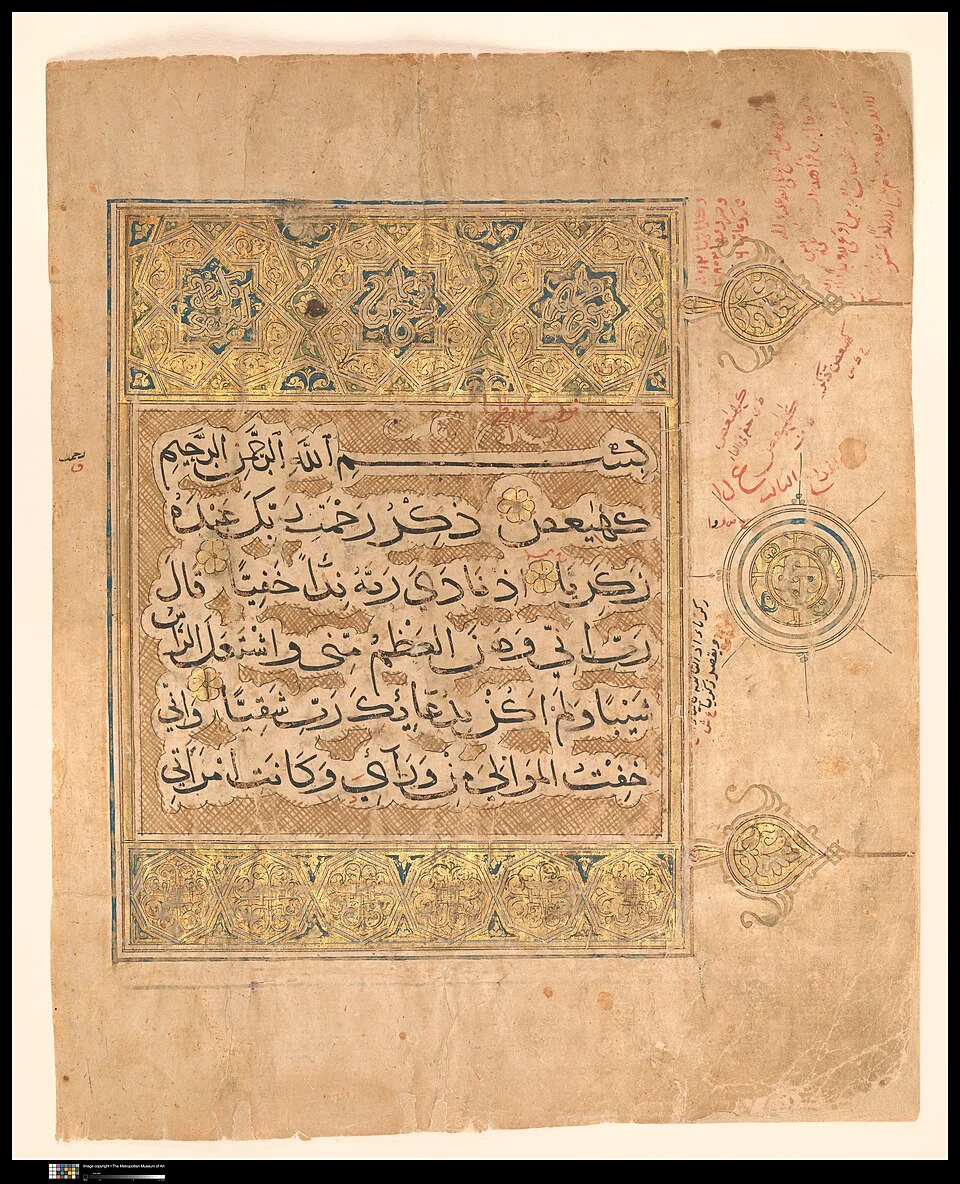
Manuscripts of the Qur'anic chapter concerning Mary
Image credit & licence

CC0 · This file was donated to Wikimedia Commons as part of a project by the Metropolitan Museum of Art. See the Image and Data Resources Open Access Policy

Original image and licensing

Sura 19 is named for Mary, and it tells the nativity: the angel, the question, the child who speaks from the cradle. A second scripture keeps the miracle and relocates the meaning — which is exactly why the entry is in this field rather than Field II.

EVIDENCE VS. COUNTERFACTUAL

This label distinguishes a factual historical record from the interpretation built around it. A well-documented event or influence pathway does not prove that no alternative history could produce a similar result. Grade note: the historical record and pathway are especially well established

STRONGEST OBJECTION(S)

The Qur'anic portrait denies the crucifixion and the incarnation; it is a different Jesus — which is exactly the footprint being claimed.

The causal chain — tap (i) for detail
01Maryam's chapter (Sura 19) The Qur'an's chapter Maryam gives Mary and Jesus an important place within its own account of divine action. Its nativity narrative includes features familiar to Christians and features distinct from the New Testament. The comparison demonstrates continuing attention to Jesus while requiring each scripture's account to be understood on its own terms.
02'Isa as prophet, Messiah, Word Qur'anic titles such as Messiah and Word give Jesus particular honour, but their meaning belongs within Islamic teaching about God and revelation. Shared terminology therefore does not erase doctrinal disagreement. This stage is about the adoption and interpretation of a significant figure, rather than evidence that Islam affirms the Christian understanding of His divinity.
03A permanent place in a second world religion Jesus remains present in Muslim scripture, teaching and religious imagination across generations. That durable place constitutes reception beyond the Christian church, even where beliefs conflict. It is more precise to describe the textual and doctrinal role than to rely on a changing population figure as though numbers alone explained what Muslims believe about Him.PRESENT DAY
Encounter the Gospel invitation →