
Without Jesus
Case WJ-VII-02 · Branch 2 of 5
THE ATLAS›VII · ARTS & MUSIC›MUSIC

Music

ENGLISH STANDARD VERSION (ESV)

“addressing one another in psalms and hymns and spiritual songs, singing and making melody to the Lord with your heart,”

— Paul · Ephesians 5:19
VERY HIGH · EVIDENCE GRADEFACTUAL RECORD

An enormous branch of humanity's music — from chant to gospel — is centered on him.
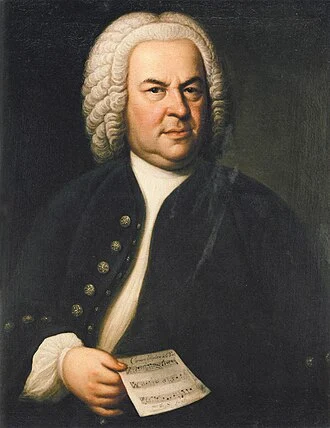
J. S. Bach — Soli Deo Gloria
Image credit & licence

Elias Gottlob Haussmann · Public domain · https://www.jsbach.net/bass/elements/bach-hausmann.jpg

Original image and licensing

A faith that commands singing will produce musicians. From monastic chant through Palestrina's polyphony to Bach's cantatas and the gospel choir, the church was Europe's conservatory, its patron, and its concert hall — and then, through the spirituals of the enslaved, the source of the harmonic and vocal grammar of soul, blues, and jazz.

The objection — that courts and theatres drove music's forms too — is fair and printed. The claim is the repertoire's mass: an amount of music, measured in works and performances, that no other subject approaches.

EVIDENCE VS. COUNTERFACTUAL

This label distinguishes a factual historical record from the interpretation built around it. A well-documented event or influence pathway does not prove that no alternative history could produce a similar result. Grade note: the historical record and pathway are especially well established

STRONGEST OBJECTION(S)

Court and theatre drove music's forms as much as the church did; the claim is the repertoire's sheer mass, which is measurable and enormous.

The causal chain — tap (i) for detail
01Psalmody and plainchant Psalms, chant and the ordering of worship gave Christian communities recurring reasons to sing together. Musical practices developed across languages and traditions over time. Their importance lies in sustained composition, performance and transmission, rather than a claim that communal song or sophisticated musical thought originated with Christianity.
02Sacred polyphony: Palestrina, Byrd Sacred polyphony brought complex musical craft into liturgical and devotional settings. Composers such as Palestrina and Byrd worked within particular religious and political circumstances. Their music demonstrates interaction between worship and invention, rather than doctrine being added as decoration to an otherwise separate musical history.
03Bach's cantatas (Soli Deo Gloria) and Handel's Messiah (1741) Bach’s church cantatas and Handel’s Messiah show different ways Christian texts and purposes shaped major works. Their original settings and later performances were not identical. Religious material supplied structure and subject matter, while composition, patronage, professional skill and changing audiences also shaped their enduring place in musical life.
04Spirituals → gospel → soul, blues and jazz Spirituals and gospel belong to histories of Black religious life, creativity and social experience. Their relationships to soul, blues and jazz involve shared performers, techniques and cultural settings rather than a single family tree. The Christian connection is substantial, while musicians’ agency and invention remain central.
Modern concepts — what it becomes
Messiah — Most Performed→Spirituals → Soul→
Encounter the Gospel invitation →